By clicking “Accept All Cookies”, you agree to the storing of cookies on your device to enhance site navigation, analyze site usage, and assist in our marketing efforts. View our Privacy Policy for more information.
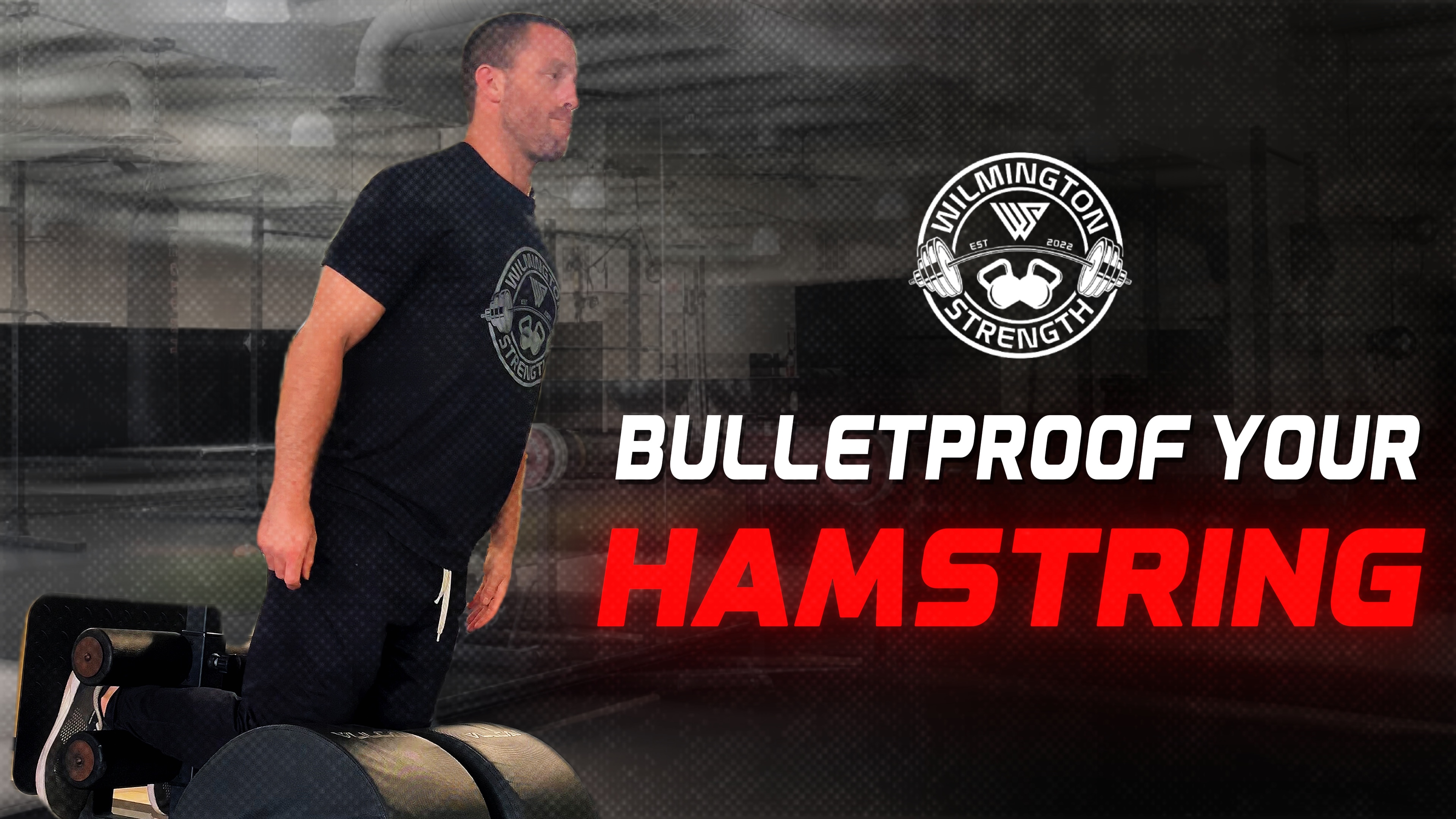
How to Prevent Hamstring Pulls | What Actually Works
Whether you’re a youth athlete, high school competitor, or coach, understanding when hamstring strains happen and how to prepare for them can make the difference between staying on the field or missing weeks of competition.
By
February 25, 2026
Related

A Wilmington Strength Guide to Speed Training and Injury Prevention
Hamstring pulls are one of the most common injuries in team sports — and the reality is that most of them are preventable.
Whether you’re a youth athlete, high school competitor, or coach, understanding when hamstring strains happen and how to prepare for them can make the difference between staying on the field or missing weeks of competition.
At Wilmington Strength, we focus on training athletes to move faster, stronger, and more safely. Here’s what athletes and parents need to know about hamstring injuries and performance.
Watch the full breakdown here:
👉 https://youtu.be/m64BE3707iM
When Hamstring Injuries Actually Happen
Most hamstring strains occur during sprinting — specifically at top-end speed.
During max velocity sprinting, the hamstrings experience extremely high forces as they:
- Decelerate the lower leg
- Stabilize the hip and knee
- Prepare the body for the next stride
This phase of sprinting places more stress on the hamstrings than almost any exercise you can perform in the weight room.
That’s why many injuries happen when athletes suddenly return to high-speed running without proper preparation.
The Truth About Strength Training vs Sprinting
Strength exercises absolutely help — but they are only part of the equation.
Movements like the Nordic hamstring curl are excellent for building eccentric strength and should be included in most training programs.
However:
Nothing replicates the demands of sprinting at top speed.
You cannot fully prepare the hamstrings without actually exposing them to high-speed running.
This is where many athletes and programs fall short.
The Biggest Mistake Athletes Make
One of the most common patterns we see in sports performance training is:
- Athletes go weeks or months without sprinting at high intensity
- Suddenly return to game speed or competition
- Hamstrings are unprepared for the load
When athletes try to flip the switch from low intensity to max speed too quickly, injury risk increases dramatically.
Consistency matters more than occasional hard sessions.
The Game Plan for Strong, Resilient Hamstrings
Here’s what we recommend for athletes looking to reduce injury risk and improve performance:
✔ Sprint at or Near Max Velocity Year-Round
Expose your body to 90–95% intensity regularly when appropriate.
✔ Ramp Up Gradually
Avoid jumping from zero to full-speed sprinting overnight.
✔ Build Eccentric Strength
Include exercises like Nordic hamstring curls to improve tissue resilience.
✔ Stay Consistent
Consistent exposure to high-speed running keeps the hamstrings prepared for game demands.
Why This Matters for Youth Athletes in Wilmington, NC
Athletes training for field sports, soccer, football, lacrosse, and track rely heavily on speed and acceleration. Proper speed training and athletic conditioning help develop explosive performance while reducing injury risk.
At Wilmington Strength, our programs combine:
- Sprint mechanics and speed development
- Strength training for youth athletes
- Progressive exposure to high-speed running
- Long-term athlete development principles
Train Smarter. Stay Faster. Stay Healthy.
If you’re an athlete or parent looking for sports performance training in Wilmington, NC, we specialize in helping athletes develop speed safely and effectively.
🏋️ Train with us at Wilmington Strength → [link]
📍 Wilmington, NC | Youth Athletic Performance Training
.jpg)
.jpg)
.jpg)
%20(1).jpg)